From Harrison’s original feature
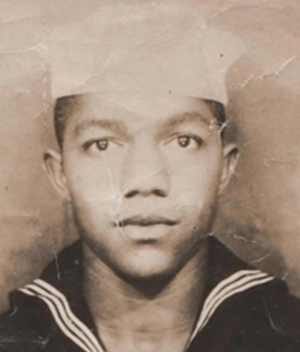
Neil Daniel Frye built sleds from scraps for his sisters.
I shared that memory in May 2025, when I wrote about his sister, Mrs. Mary McCrimmon. Neil was killed aboard the USS West Virginia at Pearl Harbor on December 7, 1941. His remains were identified on September 27, 2024.
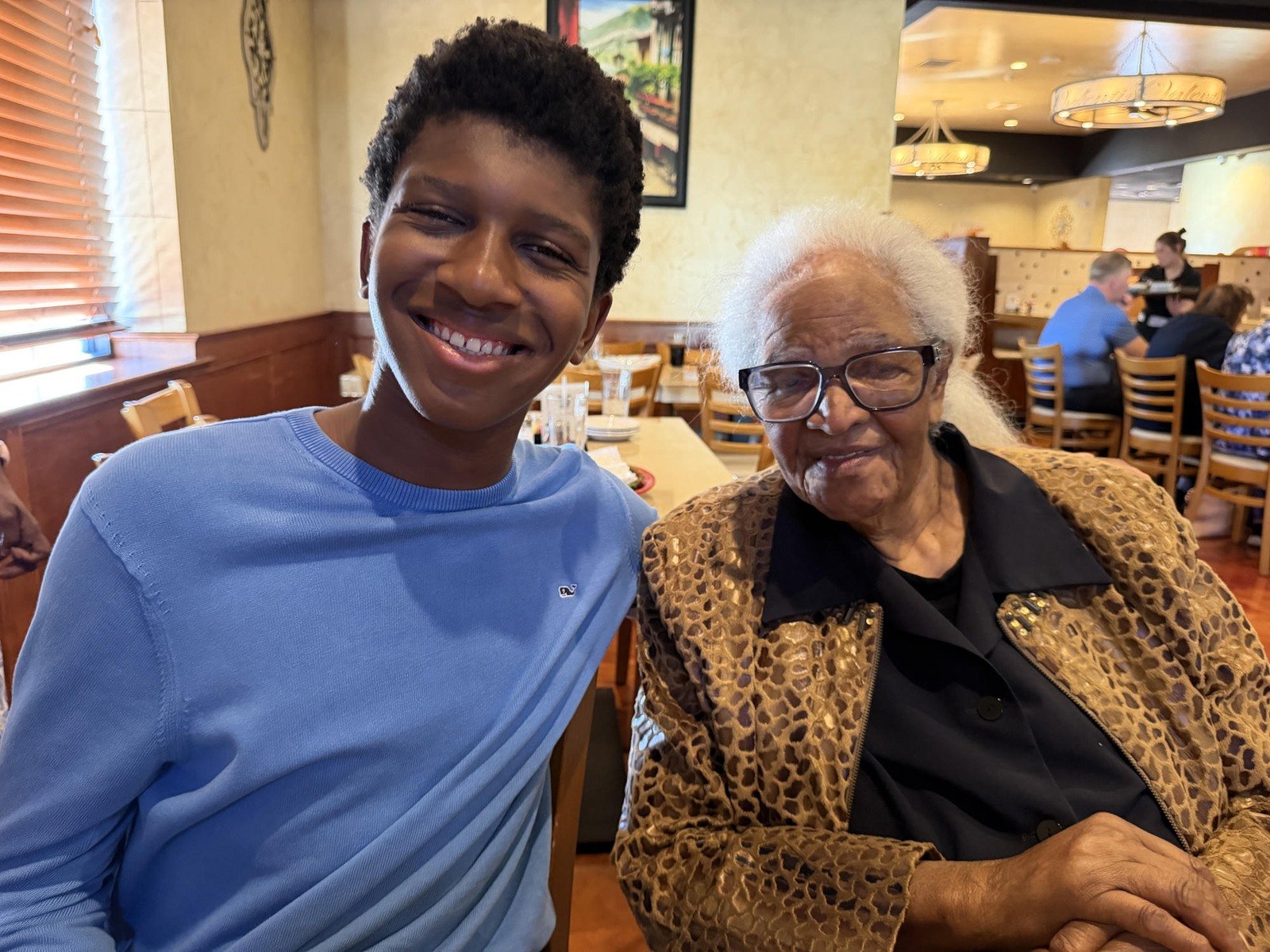
On November 8, I returned to speak with her for my National History Day research. I asked what it felt like when her family finally received that answer.
“It was just a true big relief to me to know that he was home,”
she told me.
After her mother, Mrs. Annie Bell Frye, received the first telegram saying Neil was lost in the attack, she wrote several letters seeking updates about her son. When the identification news arrived, Mrs. McCrimmon recalled finding it difficult to believe.
Mrs. McCrimmon was only three when Neil left home. More than eighty years later, she still remembered the brother who kept her safe from the fireplace. She also remembered her mother sitting in the car, watching people and hoping to see Neil walk by.
His remains had been unidentified, but he had never been anonymous to her.
That distinction matters as other Pearl Harbor families enter a new stage of waiting.
On November 2, the Defense POW/MIA Accounting Agency began disinterring unknown remains associated with the USS Arizona at the National Memorial Cemetery of the Pacific in Honolulu. The first eight caskets were removed.
The project concerns remains already buried in the cemetery. Those inside the sunken ship will not be disturbed.
Kevin Kline’s great uncle died aboard the Arizona. Through Operation 85, the organization he founded, Kline and others helped locate relatives who could provide DNA reference samples and worked with DPAA to advance the effort.
The disinterments are not identifications. Scientific work will take time, and answers are not guaranteed.
For these families, Mrs. McCrimmon’s experience offers a possibility, not a promise. Some may one day receive an answer like hers.
Through Harrison’s Heroes, I help students my age understand Pearl Harbor. Returning to speak with Mrs. McCrimmon reminded me that this work means more than explaining an attack or recording a name.
It means asking what a sister remembers.
This Veterans Day, I am grateful to everyone who has served our country, and to the families who let us know them as more than service members.
Science helped bring Mrs. McCrimmon’s brother home. Her stories help us remember the boy who built the sleds.
Harrison’s interviews with Mary McCrimmon;
his May 2025 article;
DPAA;
The National WWII Museum;
Operation 85.